


Soutik BiswasIndia correspondent

 Reuters
It is taking place once more.
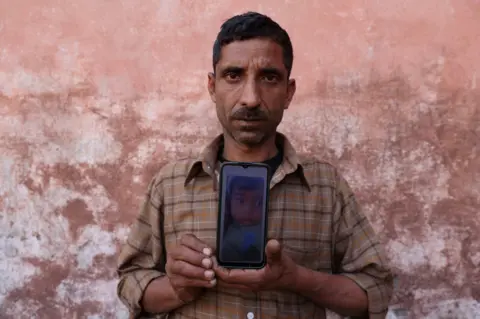
In early September, a cluster of unexplained baby deaths in a small city in Madhya Pradesh despatched native well being employees scrambling.
Not less than 19 victims – aged one to 6 – had died inside weeks of taking a typical cough syrup. Officers examined every little thing from consuming water to mosquitoes earlier than the reality emerged: their kidneys had failed.
Weeks later, a state laboratory within the southern metropolis of Chennai confirmed the worst. The syrup in query contained 48.6% diethylene glycol, a poisonous industrial solvent that ought to by no means be present in medication. Kidney failure is frequent after consuming this toxic alcohol.
The horror wasn’t confined to Madhya Pradesh. In neighbouring Rajasthan state, the deaths of two younger youngsters, allegedly after consuming a locally-made Dextromethorphan syrup – a cough suppressant unsafe for very younger youngsters – sparked outrage and a authorities investigation.
For India, this introduced a grim sense of déjà vu.
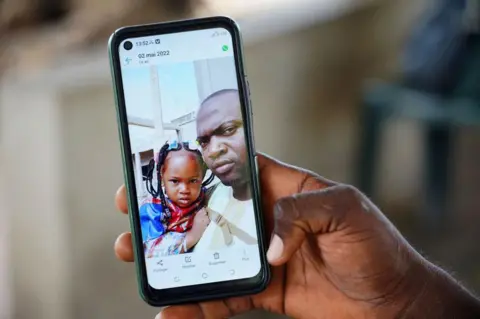
Through the years, diethylene glycol in Indian-made cough syrups has claimed dozens of younger lives. In 2023, Indian syrups tainted with diethylene glycol have been linked to the deaths of 70 youngsters in The Gambia and 18 in Uzbekistan.
Between December 2019 and January 2020, at the very least 12 children under five died in Jammu in Indian-administered Kashmir allegedly from cough syrup, with activists suggesting the variety of casualties might need been greater. Prior to now, there’s additionally been abuse of cough syrups containing codeine, a light opioid that may produce euphoria in excessive doses and result in dependence, and isn’t suggested for younger youngsters.
Every time regulators promise reform, contaminated syrups reappear – reflecting a fragmented drug market and, critics allege, a weak regulatory system struggling to supervise a whole bunch of low-cost, usually unapproved syrups produced by smaller producers and bought over-the-counter.
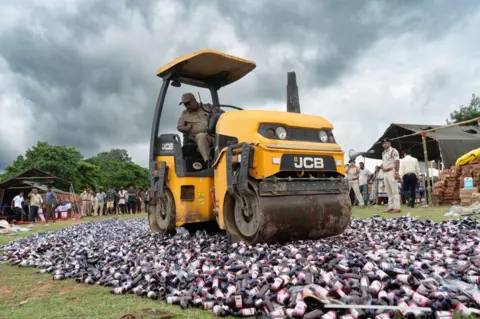
Days after the most recent baby deaths, India’s well being ministry urged “rational” use of such medicines – successfully warning docs to train extra warning when prescribing them to younger youngsters – seized samples of the syrup, suspended and banned gross sales, and ordered an investigation.
 AFP by way of Getty Photos
However the issue, critics say, runs deeper than over-prescription. Every new tragedy exposes the rot in India’s drug oversight system – a maze of weak enforcement and regulation. The Indian cough syrup market is ready to soar from $262.5m in 2024 to $743m by 2035, rising at a compound annual rate of 9.9%, in accordance with Market Analysis Future.
However none of this may occur if India, and Indians, may wean themselves off their obsession with cough syrups. For many years, docs have prescribed them, and sufferers have taken them, regardless that most do little good and may probably do severe hurt.
Marketed as fast aid for sore throats and cussed coughs, these candy syrups combine sugar, color and flavouring with a cocktail of antihistamines, decongestants, expectorants.
In principle, every ingredient performs a task: one dries secretions, one other loosens phlegm, a 3rd dulls the cough reflex. In follow, proof of them doing a lot good is small – most coughs get higher on their very own in just a few days.
A cough may end up from both an infection or an allergic response. Cough syrups broadly fall into two sorts – sedatives that assist the kid relaxation, and bronchodilators that ease respiration – and docs normally prescribe one or the opposite, not a combination.
Most persistent coughs in youngsters in more and more polluted Indian cities aren’t brought on by an infection however by allergic reactions and irritation of the decrease airways, in accordance with Dr Rajaram D Khare, a Mumbai-based pediatrician. Allergic reactions happen when the immune system overreacts to triggers corresponding to mud and air pollution.
These youngsters usually have a chilly or runny nostril and a cough that worsens at evening or early morning, recurring each few weeks. In large cities, he says, such recurrent, moist coughs are generally triggered by mud and smog, typically accompanied by gentle bronchospasm.
Dr Khare stated such coughs reply greatest to bronchodilators – medicines that open up the airways – ideally by way of inhalers or nebulisers, although many docs nonetheless depend on syrups that supply solely restricted aid.
Most childhood coughs are viral, self-limiting, and resolve on their very own inside every week. Physicians say no syrup shortens their course; at greatest, they provide fleeting consolation. At worst, they carry dangers of dependancy, toxicity and overdose.
 NurPhoto by way of Getty Photos
“I do not normally prescribe cough syrups for strange coughs and colds – besides sometimes for consolation. If a baby is coughing badly and may’t sleep, I could give a dose of a light syrup simply to ease the discomfort. The primary purpose is aid, not remedy, particularly when the cough is dry and a part of a viral an infection,” says Dr Khare.
So why are cough syrups so broadly prescribed in India?
One cause is the weak point of India’s main healthcare system, significantly in smaller cities and rural areas. As rising air air pollution fuels persistent coughs, they’re more and more misused for routine respiratory infections.
The issue runs deeper within the countryside. In rural India, as much as 75% of primary care visits are handled by informal providers – usually self-taught “RMPs” or rural medical practitioners with out formal medical coaching.
In locations the place the native public well being clinic is much away, under-staffed, or shut, they’re the de facto docs – and syrups are their most trusted instruments. When posted in Gorakhapur, a city in Uttar Pradesh, Dr Kafeel Khan, a pediatrician, remembers “syrups being handed out in all places – even by these with no diploma”.
In lots of of those cities, sufferers depend on anybody who appears medically educated – from casual practitioners to shopkeepers – to handle even routine coughs.
“Many poor sufferers flip to native chemists for recommendation, assuming the individual behind the counter is a pharmacist; in 10 out of 10 instances in rural India, that may be a flawed assumption,” says Dinesh Thakur, a former Indian drug executive-turned-public well being skilled.
“Whereas anecdotally, it seems that this downside is essentially confined to small cities and rural India, there’s some knowledge that it isn’t. We see comparable behaviour amongst individuals in large cities too. The one distinction is the standard of drug provide in small cities and rural India is an order of magnitude worse in comparison with bigger cities.”
One other issue driving the pattern is the mixed stress from anxious dad and mom and gaps in medical data.
“Dad and mom aren’t all the time well-informed, and so they can grow to be impatient. If a baby’s cough or chilly does not enhance in a few days, they usually seek the advice of one other physician who will give a cough syrup,” says Dr Khan.
Low data amongst docs provides to the issue. Dr Khan says he has “seen even MD pediatricians prescribe ambroxol cough syrup for youngsters”.
“It is meant to interrupt up sputum, however youngsters underneath two cannot spit it out, so the mucus may be aspirated into the lungs, inflicting pneumonia – but it’s nonetheless prescribed.”
India wants a transparent coverage on cough syrups and nationwide consciousness amongst docs and fogeys to curb reckless use. The stakes are actual: the Madhya Pradesh physician who prescribed the syrup linked to latest baby deaths defended his practice, saying, “I have been prescribing this cough syrup for 15 years.”
